
- Author
- Date
- 2026-01-15
- Views
- 69
You step out of an air-conditioned room, take a sip of hot tea, or feel mildly embarrassed, and suddenly your face turns red. Not the healthy glow red, the ‘why-is-everyone-looking-at-me’ kind! If you’ve been told it’s just “sensitive skin” or “you blush easily,” but the redness keeps coming back, there’s a good chance it’s rosacea. For millions worldwide, this persistent redness isn’t just a passing blush; it’s rosacea, a common skin condition that affects roughly 5% of the global population (over 400 million people).
Rosacea can cause more than cosmetic concern; it often brings stinging, burning, and acne-like bumps along with that redness. The good news is that with the right care and mindset, you can manage rosacea and even thrive with it.
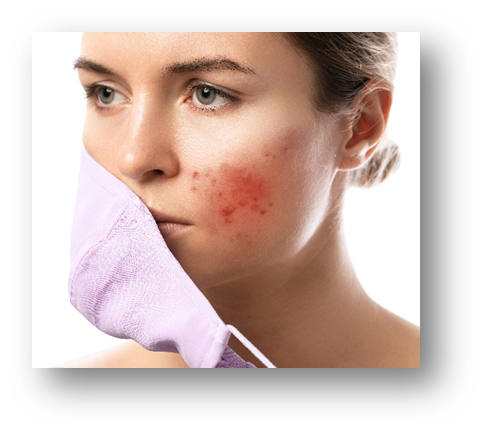
Rosacea at a glance: More than a red face
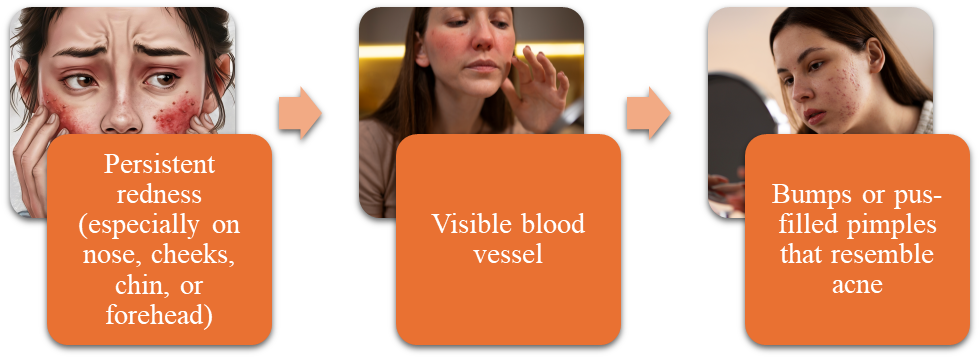
Rosacea is a chronic inflammatory disorder mainly affecting the face. It begins as a tendency to blush easily, but can progress to;
In some cases, it can even affect the eyes (causing dryness or irritation) or lead to a bumpy enlargement of the nose (a condition called rhinophyma) in advanced stages. It’s not just a blush; it’s a medical condition.
Who gets rosacea?
The answer: almost anyone.
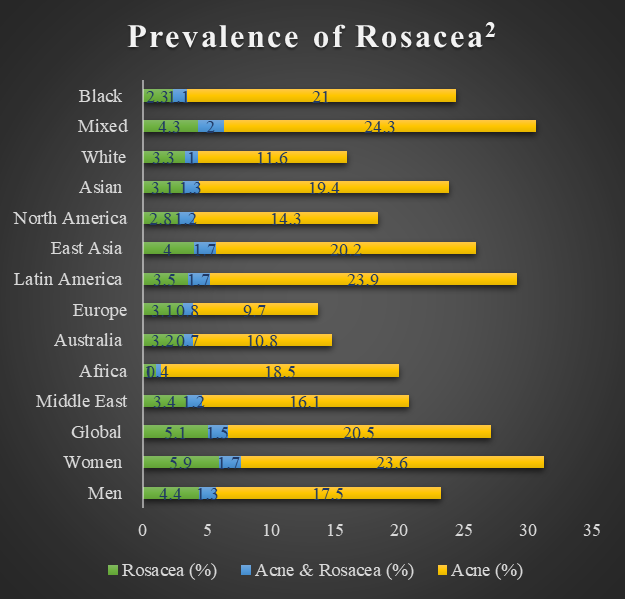
Earlier, it was believed that it affects fair-skinned people of European descent, but we now know rosacea occurs in all ethnicities and skin tones. In fact, a recent international study found rosacea was slightly more prevalent in East Asia and Latin America than in Europe or North America, debunking the myth that only light-skinned people are affected.
The bottom line: If you have rosacea, you’re in good company. Rosacea is common and only a small fraction receive treatment.
Emotional impact of rosacea
Beyond the physical symptoms, rosacea can take an emotional toll. Persistent redness, visible bumps, and sudden flare-ups can quietly chip away at confidence. In a survey conducted by the National Rosacea Society, 76% of people with rosacea said the condition negatively affected their self-esteem. Many reported feeling embarrassed, avoiding social situations, or worrying that others were judging them.
If that sounds familiar, here’s the hopeful part: the same survey found that nearly 80% of patients experienced an improvement in emotional well-being once their rosacea was effectively treated. In other words, managing rosacea doesn’t just calm the skin, it can help you feel like yourself again. With the right care, rosacea can become something you manage, not something that defines you.
Skincare routines to calm rosacea-prone skin
One of the most powerful ways to take control of rosacea is by building a skin-friendly daily routine. Rosacea-prone skin is often more sensitive and reactive, so the goal is simple: soothe and protect, not irritate.
Here’s what dermatologists consistently recommend.
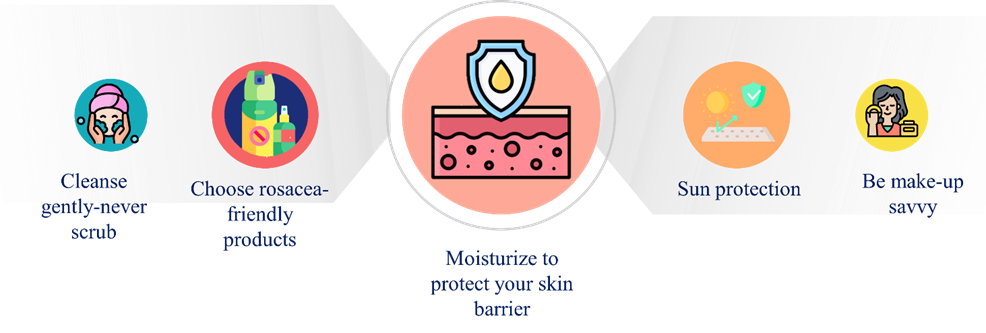
Cleanse gently-never scrub
Use a mild, non-abrasive cleanser and lukewarm water, not hot. Cleanse with your fingertips, using gentle circular motions, then rinse thoroughly. Pat your skin dry with a soft towel instead of rubbing. Cleansing once or twice daily helps remove dirt, oil, and irritants. Over-cleansing or scrubbing, however, can worsen redness and trigger flare-ups. When it comes to rosacea, gentle is non-negotiable.
Choose rosacea-friendly products
Keep your routine simple and look for products labelled fragrance-free, hypoallergenic, and non-comedogenic. According to the American Academy of Dermatology, common skincare ingredients that can aggravate rosacea include alcohol, witch hazel, menthol, camphor, fragrance, glycolic acid, lactic acid, and sodium lauryl sulfate. If you’re unsure about a product, do a patch test on your inner arm for several days before applying it to your face.
Moisturize to protect your skin barrier
Even if your skin feels oily, daily moisturizing is essential. A good moisturizer helps strengthen the skin barrier, making your skin less reactive and more resilient. Choose lightweight, oil-free formulas designed for sensitive skin. Ingredients such as niacinamide, ceramides, or feverfew may help calm irritation. Apply moisturizer after cleansing, while the skin is slightly damp, to lock in hydration.
Sun protection is not optional
Sun exposure is one of the most common rosacea triggers, so daily sunscreen is essential, even on cloudy days. Apply a broad-spectrum sunscreen with SPF 30 or higher every morning. Physical sunscreens containing zinc oxide or titanium dioxide are often better tolerated than chemical sunscreens in rosacea-prone skin. Hats, sunglasses, and seeking shade provide extra protection. Beyond flare prevention, consistent sun protection also helps prevent premature skin aging.
Be make-up savvy
Makeup can be a confident boost, and it’s absolutely okay to use it with rosacea. Green-tinted primers or concealers can neutralize redness, while yellow-toned powders may help even out a ruddy complexion across different skin tones. Choose fragrance-free, mineral or water-based products, and remove makeup gently at the end of the day. For men, switching to an electric razor and using a soothing, cream-based shaving product can reduce irritation.
Consistency matters
Rosacea-friendly skincare isn’t about quick fixes. With consistent care over weeks, many people notice fewer flare-ups, calmer skin, and reduced redness. Think of your routine as creating a stable, calm environment for your skin to recover.
Lifestyle management-Taming triggers without giving up life
While you can’t change having rosacea, you can influence how often it flares. Rosacea symptoms tend to come and go, often triggered by specific environmental or lifestyle factors. Knowing your personal triggers can significantly reduce flare frequency. The box shows common triggers by the National Rosacea Society. Not everyone reacts to the same triggers. Some people tolerate coffee but flush with red wine; others react to spicy food but not heat. Rosacea is highly individual.
|
|
Sun exposure (81%)
Emotional stress (79%)
Hot weather (755)
Wind (57%)
Vigorous exercise (565)
Alcohol (52%)
Hot baths or saunas (515)
Cold weather (465)
Spicy foods (455)
Hot beverages (36%)
|
Keep a trigger diary
Tracking your flares alongside daily habits; food, weather, stress, and activity, can reveal patterns. The National Rosacea Society’s Rosacea Diary is a helpful tool for this. Identifying triggers gives you back a sense of control.
Make smart adjustments
Managing triggers doesn’t mean avoiding everything you enjoy. Small tweaks help:
- Exercise in cooler environments or break workouts into shorter sessions
- Choose milder spices instead of eliminating flavor altogether
- Opt for cooler showers
- Practice stress-management techniques such as breathing exercises or mindfulness
- Stay hydrated and well-rested
Weather-wise skin care
Cold winds, indoor heating, heat, and humidity can all irritate rosacea-prone skin. Adjust moisturizers seasonally, protect your face in extreme weather, and avoid harsh temperature changes when possible.
Be kind to yourself
Rosacea affects appearance, and that can affect emotions. Seeking support, whether from friends, family, or online communities, can reduce stress and help you feel less alone. Lower stress often means fewer flares.
Medical treatments: Finding what works for you
If skincare and lifestyle changes aren’t enough, medical treatments can help bring rosacea under control.
Topical treatments
Prescription creams and gels such as metronidazole, azelaic acid, and ivermectin have been shown in clinical studies to reduce inflammation and rosacea bumps. Ivermectin, especially, has demonstrated strong efficacy and anti-inflammatory benefits. Newer topical treatments like brimonidine and oxymetazoline temporarily reduce facial redness by constricting blood vessels, with effects lasting up to 12 hours.
Oral medications
For moderate-to-severe rosacea, low-dose doxycycline is commonly used for its anti-inflammatory effect. Other antibiotics or, in select cases, low-dose isotretinoin may be considered under specialist supervision.
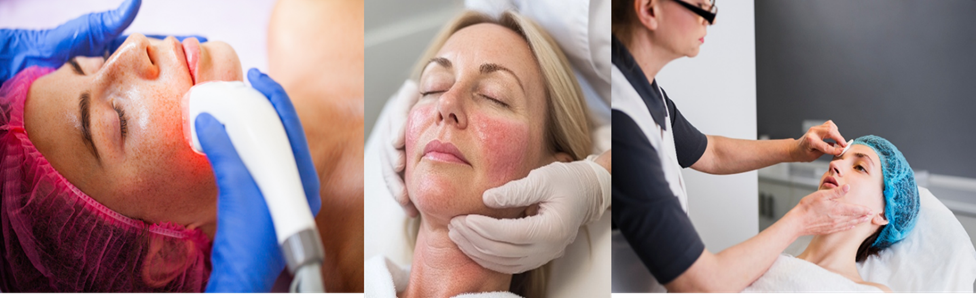
Laser and light therapies
Laser and IPL treatments target visible blood vessels and persistent redness. These procedures are done in clinics and can significantly improve skin appearance with minimal downtime.
Eye involvement
If you experience dry, irritated, or gritty eyes, mention it to your doctor. Ocular rosacea can be treated with eye drops, oral medications, and eyelid hygiene measures.
Thriving with rosacea
Rosacea may not have a cure, but it is manageable. With the right combination of skincare, lifestyle adjustments, and medical treatment, many people reach a point where rosacea becomes a background condition rather than a daily worry. Celebrate progress, not perfection. Stay consistent, stay informed, and don’t hesitate to adjust your plan with your dermatologist as needed. New treatments continue to emerge, and help is always evolving. Most importantly, remember this: you are not your redness. Rosacea may make your skin reactive, but it can also make you resilient.
You’re not just living with rosacea. You’re learning how to live well with it.
Skin doesn’t forget easily. Whether it’s redness that lingers or marks that stay long after breakouts fade, many skin conditions leave more than physical traces.


