
- Author
- Date
- 2025-10-30
- Views
- 818
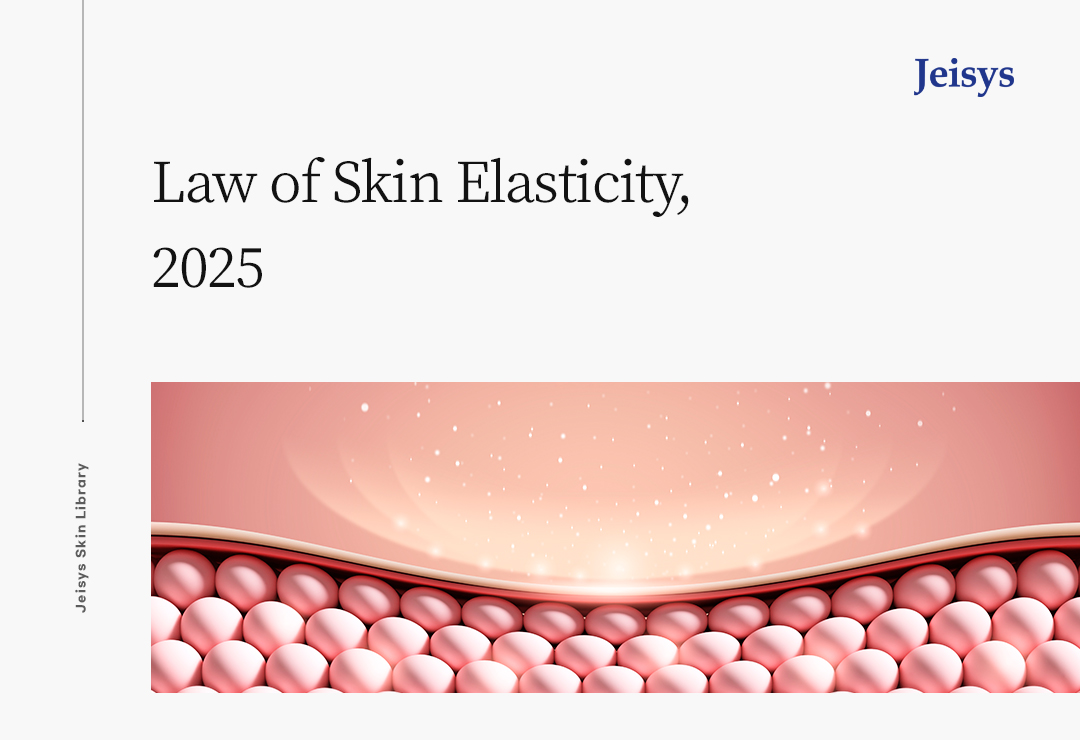
Elasticity is not merely a standard of beauty.
Skin elasticity is a matter of how quickly the skin recovers and restores its balance.
Facial firmness that doesn't sag with the passage of time is ultimately the sum of habit and resilience.
Table of Contents
- Trend 1. 'Elasticity Age' Checklist, More Important Than Chronological Age
- Trend 2. Modern Factors that Undermine Elasticity
- Trend 3. Bad and Good Habits that Affect Elasticity
- Trend 4. The New Formula for Elasticity Management – The 3D Approach
- Trend 5. Recent Trends in Elasticity Management
- Trend 6. Daily Elasticity Management Routine
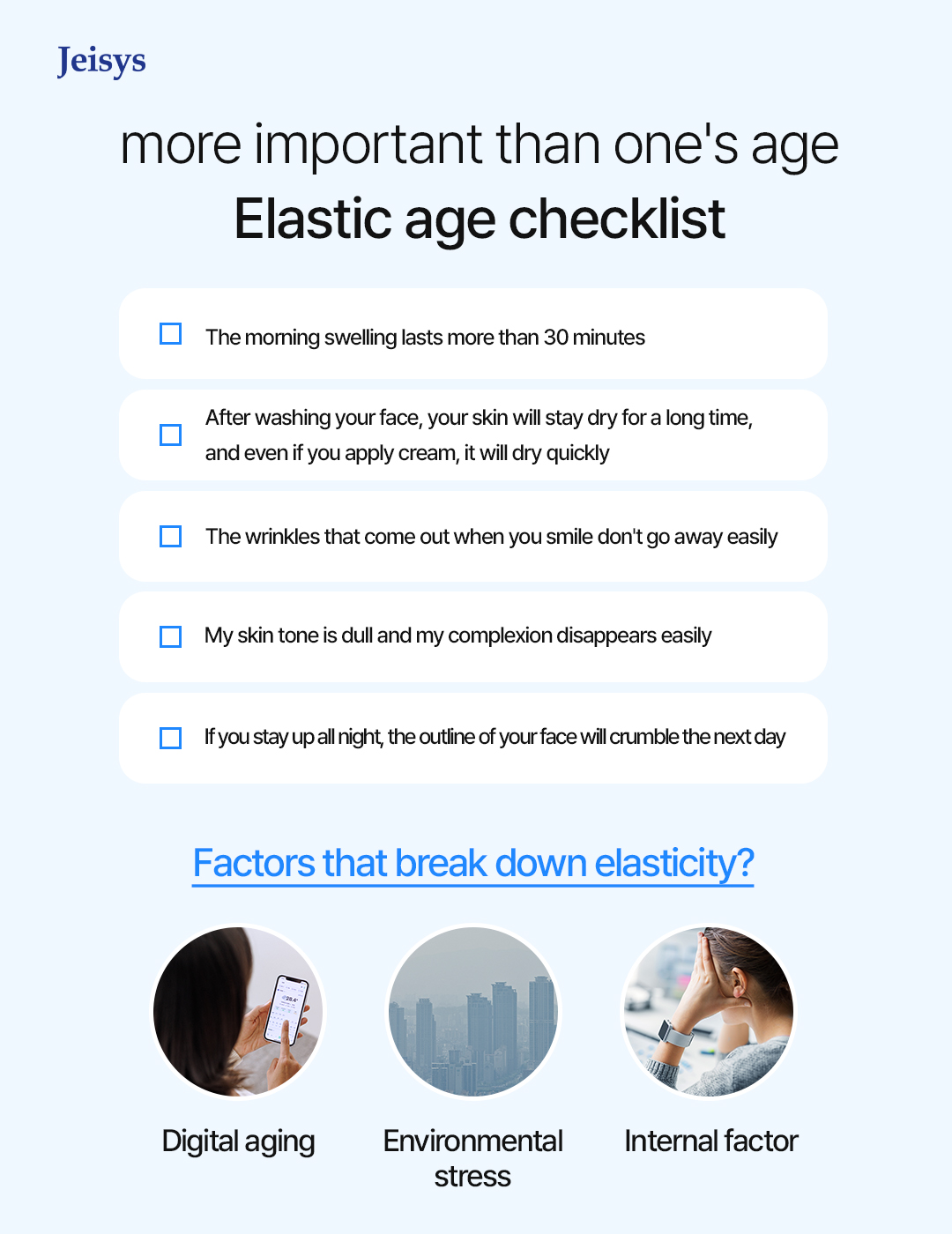
Trend 1. 'Elasticity Age' Checklist, More Important Than Chronological Age
The skin's true age depends more on its recovery speed than its biological age.
If you check three or more of the items below, your skin's 'Elasticity Age' may be higher than your actual age.
- Morning puffiness lasts for more than 30 minutes.
- Tightness remains long after cleansing, and skin feels dry soon after applying cream.
- Wrinkles formed when smiling do not disappear quickly.
- Skin tone is dull and healthy complexion easily fades.
- Facial contours sag the day after staying up all night.
These items are signs showing continuous skin fatigue and reduced regeneration.
Skin does not simply grow old; it ages at the rate at which it loses elasticity.
Therefore, facial resilience management should not be an effort to look young, but a scientific routine to protect skin function.
Trend 2. Modern Factors that Undermine Elasticity
The **loss of skin elasticity** today is not solely due to age and gravity.
① Digital Aging: Blue light from smartphones and monitors generates free radicals, damaging collagen.② Environmental Stress: Ultrafine dust, temperature changes, and the urban heat island effect weaken the skin barrier and continuously induce micro-inflammation (Inflammaging).
③ Internal Factors: Stress, lack of sleep, and irregular eating habits disrupt hormone balance and interfere with the synthesis of skin elastic fibers.
Ultimately, elasticity must be understood as a composite index of environmental, habitual, and psychological factors.
Trend 3. Bad and Good Habits that Affect Elasticity
Skin elasticity and facial resilience start with small daily habits.
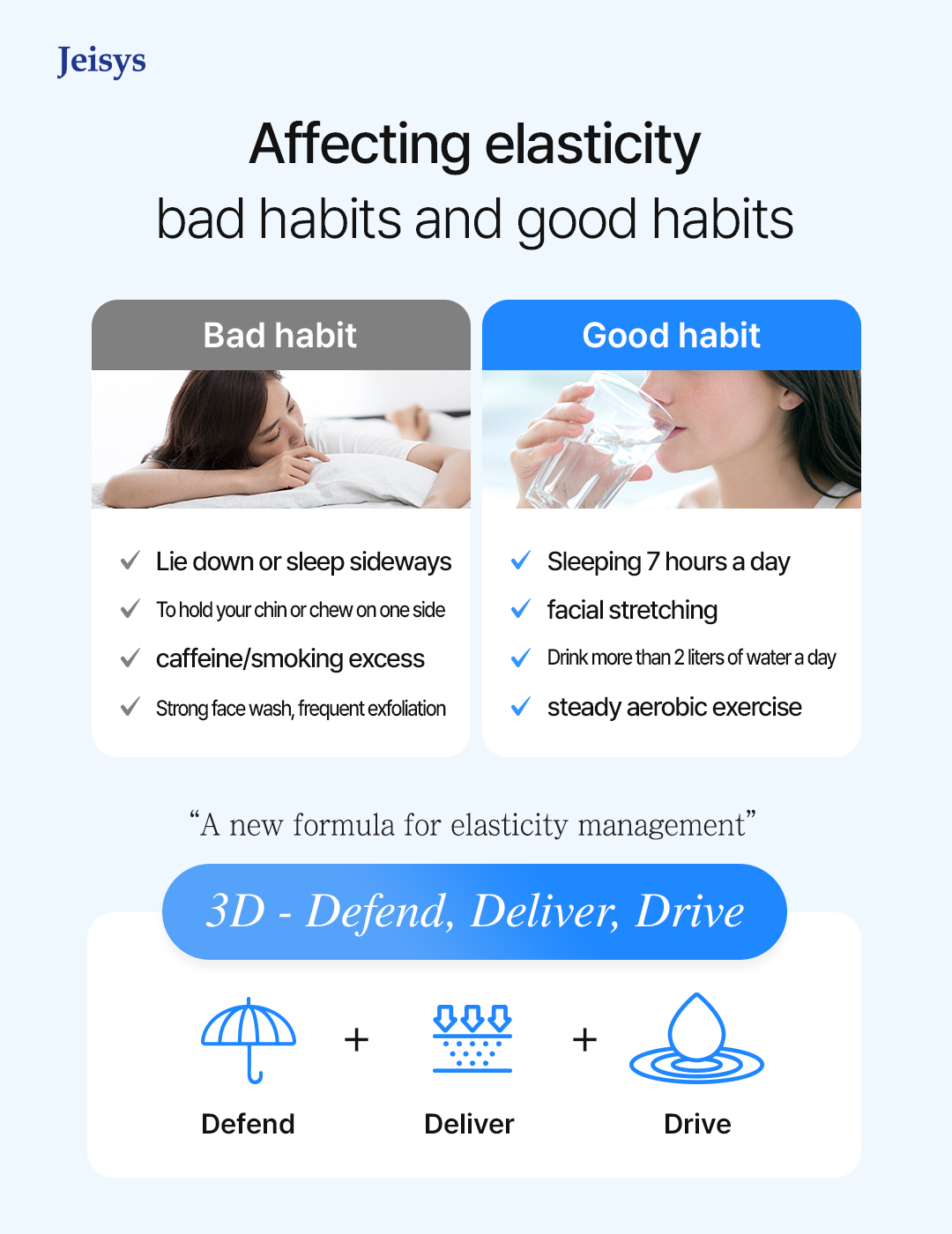
- Sleeping on your stomach or side – Increases pressure on one side of the face, creating wrinkles.
- Resting your chin on your hand or chewing on one side – Disrupts the balance of the lower muscles.
- Excessive caffeine/smoking – Constricts blood vessels and reduces oxygen supply.
- Harsh cleansing, frequent exfoliation – Weakens the skin barrier and accelerates elasticity loss.
- 7 hours of deep sleep – Stimulates cell regeneration through growth hormone activation.
- Facial stretching – Relaxes expression muscles and improves microcirculation.
- Drinking over 2L of water daily – Maintains water balance between cells.
- Consistent cardio exercise – Activates collagen synthesis by improving blood flow.
Trend 4. The New Formula for Elasticity Management – The 3D Approach
Elasticity care is divided into 3 steps: Defend, Deliver, and Drive.
① Defend: Protect the skin from UV rays, blue light, and fine dust, and reinforce the barrier with ceramides, cholesterol, and fatty acids.② Deliver: Peptide, Vitamin C, and Microbiome ingredients boost cell energy and stabilize the elastic protein structure.
③ Drive: Maintain resilience by promoting collagen production through massage, deep sleep, and exercise.
Trend 5. Recent Trends in Elasticity Management
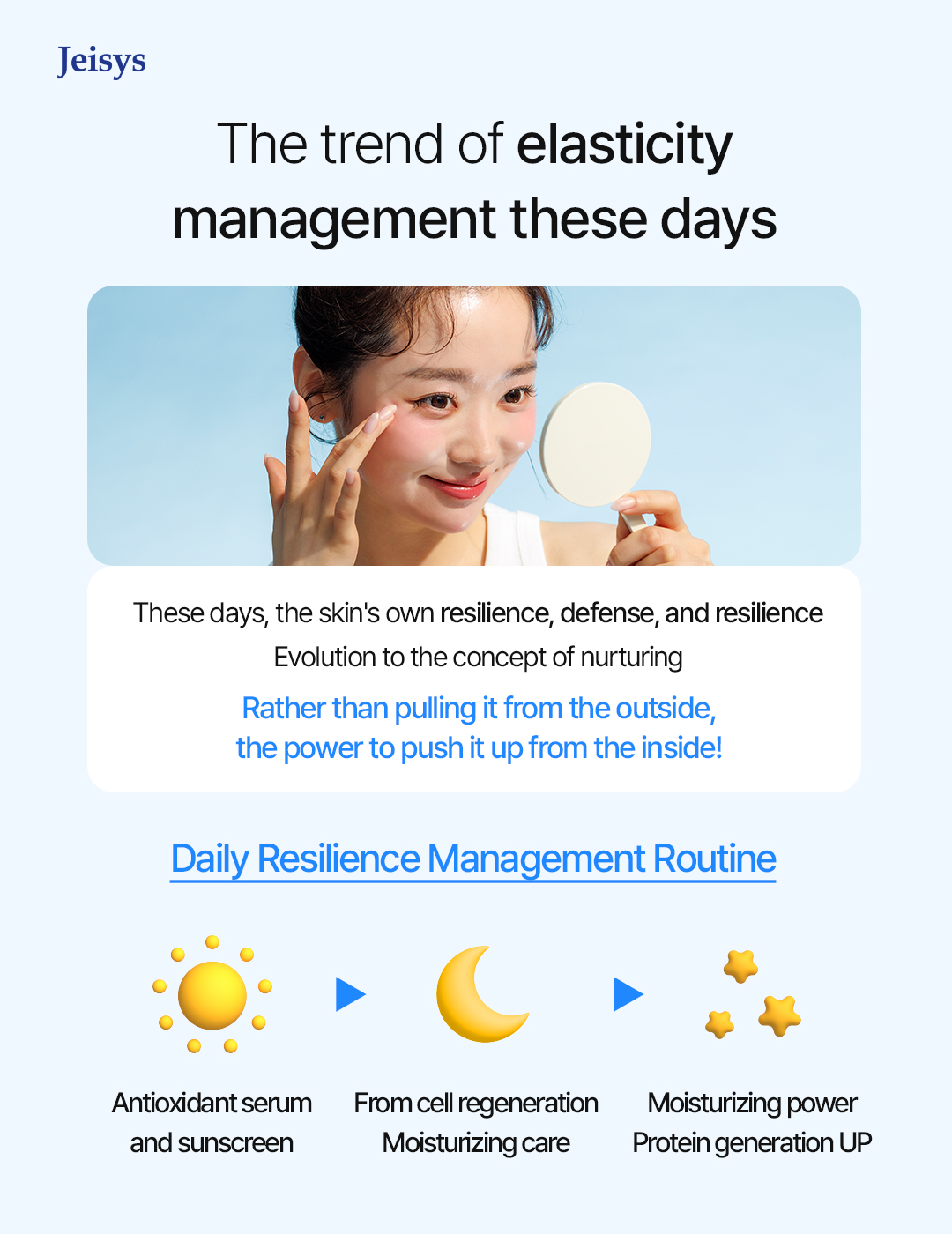
Elasticity management is now evolving towards nurturing the skin's own recovery power, defense, and resilience, rather than just wrinkle removal.
It has shifted from pulling the skin from the outside to fostering the strength to push it up from within.
② Home Lifting Devices – Utilizing LED, RF, and microcurrent devices in the daily routine.
③ Bio-Active Ingredients – New materials that directly generate elastic proteins within the skin.
④ Pre-Aging Strategy – Early care to manage 'Elasticity Reserve' starting from the late 20s.
In short, elasticity management is establishing itself as a sustainable recovery routine, not just short-term lifting.
Trend 6. Daily Elasticity Management Routine
Elasticity is built in the daily routine.
Morning Routine: Build the day's defense barrier by using an antioxidant serum along with sunscreen.
Evening Routine: Aid cell regeneration with a combination of peptides, retinol, and vitamin C, and maintain elasticity overnight with a moisturizing cream.
Inner Beauty Routine: Ingest hyaluronic acid, collagen, and probiotics together to support internal hydration and the creation of elastic proteins.
Practical Tip: 1-2 times a week lifting massage (direction: jaw → cheeks → temples → neck) and concentrated care between 10 PM and 2 AM.
Completing the routine in the order of serum → cream → massage can maintain skin elasticity for a long time.
Ultimately, elasticity management in 2025 is about creating a sustainable rhythm rather than seeking immediate results.
Skin elasticity and facial firmness are matters of habit and resilience, not age.
The consistency accumulated in the daily routine completes the true lifting.
Unyielding strength—that is the **2025 Law of Skin Elasticity**.

